Saturday, October 30, 2010

Jack O' Lanterns

I posted this one year ago. Because I was just beginning this blog, it had virtually no readers at that point. So here it is again, in observance of the season.


Three years ago on a weekend off from teaching in the summer course at San Ildefonso Tultepéc, in the state of Querétaro, I took a hike on the outskirts of a tiny nearby pueblo named El Cuisillo. It's located close to the border between Mexico and Querétaro states. That makes it about equidistant from the towns of Amealco, Querétaro and Aculco, Mexico, along a two-lane highway that in two or three hours takes you, if you flag down and jump aboard one of the dusty buses that occasionally passes by, from this very small place to the world's largest metropolis.


The people of El Cuisillo are very shy but friendly. In keeping with that spirit, it is an unpretentiously scenic walk along roads and paths through their land. From hilltops you can glimpse distant rock formations, ravines and cliffs, and the occasional small house with cornfield, or perhaps far away a small child with a stick trying to goad a slow-moving cow out to pasture. There are some interesting pre-hispanic ruins in the area. The ruins are just there. There is no visitor center with bored security guard, you'll fend off no vendors selling fake artifacts and bottled water, and you need not heed any "do not climb" signs nor thoughtfully consider pedantic interpretive plaques of dubious interest. There is no one else around; you can enjoy the quiet and imagine yourself the explorer.

For some reason here, I suppose it's the stillness of the air and the rock formations reflecting sound waves, once in awhile I mysteriously hear clear voices and laughter but see no people. Perhaps they are hiding in the bushes and watching this strange foreigner smiling and whistling to himself, writing in a little book and taking pictures of things that seem to them very ordinary and mundane. Perhaps, as many acquaintances of mine in Barrow, Alaska will attest, the "little people" do exist, and maybe they live here, too. It certainly seems like a place they would appreciate. It may be a mystery I will never solve, and I like that. I've walked in the vicinity many times over the years and always find something new to do or see. It's a place I have visited with others, but mostly I like to wander here alone.


Many of the families in the region are indigenous Otomí, like these boys, and live a subsistence way of life near the poverty line. Besides keeping some animals and planting a small garden and milpa, or cornfield, some families make fired-clay products to produce cash income. The area produces a lot of these ceramics, such as pots, planters, platters, small replica churches and houses, sun plaques and other decorative, kitchen and garden items. Apparently someone in the area realized that with well in excess of 20 million persons living within a couple of hour's drive, there might be a market for jack o' lanterns. It seems like every clay workshop produces them. Halloween is not a tradition in Mexico, but some families do observe the day.

When I passed by their house the boys ran up to the road with arms full of "calabazas," or
pumpkins, for sale. I purchased two at the asking price of about a dollar each. I managed somehow to get them back to Mérida in my luggage without breakage. They have served me well now for three Halloweens. I have yet to receive a trick-or-treater at my door, but if one comes, I am ready.

Happy Halloween.

Sunday, October 24, 2010

A Year of Blog


One year ago I began this blog. It's been an interesting, hectic and sometimes trying year. I have actually had to be away from Yucatán quite a bit during the past eight months, and for that reason the blogging slowed down at times. I am back in Mérida and hope to get back to writing.


On about this date last year I started working on An Alaskan in Yucatán, so this is a good time to review what I've done and to reevaluate how people have reacted to what I have written. I started blogging to keep distant friends and family up to date, but the blog quickly became more than just a newsletter. As interest has slowly spread, most of my readers are now people I do not know, and a few of these have become new friends.

I have written on numerous topics, such as my fascination with Lila Downs, similarities between Alaska and Mexico, the beauty of life here, travels around Yucatán and Mexico, history and archaeology, the natural world, photography, philosophy, happiness, poetry, food, and the U.S. media's hatchet job on Mexico when it comes to coverage of violence here, to name just a few.

As I observe this anniversary and look back, I am going to review a few posts from the first year. Some are personal favorites and others are among the most popular with readers.

Last fall, I spent a couple of days with my friend Jonathan Harrington and his son Trevor (photo above), who was visiting from New York, on Jonathan's hacienda, San Antonio Xpakay. I always enjoy spending time on the hacienda, but this visit was made more enjoyable by the presence of Trevor, then aged 12. I wrote about a morning spent wandering in the monte with Trevor. The post is called Huck Finn Summer in Yucatán.

I love the Yucatecan countryside and its old haciendas, so whenever I have the time, I like to wander on the back roads looking for interesting vestiges of the past, in which Yucatán is incredibly rich. At times my romantic inclinations lead me to fantasize about actually living in a remote area on one of these old plantations. I wrote about one of my experiences wandering and daydreaming in the countryside and included a little Yucatán history in Hacienda Dreams.
My fascination with the history and romance of the old haciendas is always present as I observe and think about Yucatán. This has led to some interesting experiences. One of the most unusual was the very first night I spent on Hacienda San Antonio Xpakay several years ago, when I felt the presence of history late one night. I shared the experience and threw in a little Mayan poetry in two posts about La Princesa. Click here for Part 1, here for Part 2.

The culture and way of life in Yucatán fascinate and seduce me. One difference I notice between Mexico and the United States is the closeness of families and the respect between young people and the older generations south of the border. I saw a beautiful example of this one night on the streets of Mérida and wrote about it in Living Here: Between Generations.

In the spring, a neighbor of mine suddenly passed away. Missing and thinking about him I realized that he was probably one of the most successful persons I have ever known, although the outward trappings of modern "success" were in many ways lacking in his life. I wrote about my friend Alejandro last April in a post called, Goodbye Neighbor, and Thanks.

Some the most popular pieces I have written for the blog are about the practical aspects of living in Mexico and Yucatán. Mexico can be a very economical place to live. Living Here: Economy goes into the details of what is costs to run a household and live here, and touches on the philosophy of living simply.

There are many more posts I wanted to include here but in the interest of keeping it brief I've left them out. However they are in the blog for the reading, if you care to browse the index and labels for topics that arouse your interest. As always, I appreciate comments, so feel free to leave them on the blog or to contact me by email. Thanks for reading.

Wednesday, September 29, 2010

Yucatecan Still Lifes: Flow of Images


Training and working as a photographer teaches your eye to look at the world in a certain way. An experienced photographer observes things differently than most other people. It has been many, many years since I created images for a living, but the habits of looking and visualizing, of seeing the world as a series of compositions and qualities of light reflecting off of surfaces, persist.

I don't do much photography anymore. When I do decide to pick up the camera it's usually for fun, for recording events and places for myself, and to share with others.


I also pick up the camera occasisonally because the act of creating images sometimes puts me in a place that few other activities can. Psychologists call it flow. Flow happens when a person is so immersed in an activity that the outside world and the passage of time hardly seem to exist. The activity is so engaging that it seems to fill all the available processing space in one's brain, and a sense of extreme contentment, intensity of purpose and serenity ensues. In this state, you don't start wondering if you are going to be late for an appointment. You don't feel tired, hungry, thirsty, or check your watch. Your inner dialog (that little voice in your head that just asked you "what inner dialog?") has no room to operate. It's peaceful, you have purpose, and you feel pleasure.


Athletes, artists, musicians, artisans -- or anyone who does something that makes them feel energized focus, full involvement and at which they achieve success -- can experience flow. I have a friend who experiences flow when working with plants in the garden. For me it usually happens when I notice something visually interesting and decide to get out the camera. As I focus on that object or composition, I notice details I never knew existed. I intensely sense light, shadow and color. One observation leads to another. After awhile perhaps I notice something else interesting close by. As I spiral into intense focus, my problems, my body, the weather, in fact the rest of the world, disappears for a little while. It becomes a meditation. This only happens when I am alone, and involves observations in a very small space. If I have to get up and move around much, talk with people, or if my attention is divided, there's no flow.


I am not presenting these pictures as examples of high-level photography. They are simply products of observations I have made while in this intensely focused state. Although good images sometimes emerge from this process, it is the process and not the photos that is the point. The greatest payback for me is the concentration, minute observation and that feeling of intense involvement I experience as I make them.

With the exception of one, which I made on an earlier occasion, these photos were made this morning over a short time period in and around my Mérida house.

Top: A Jaguar mask I bought in Michoacan years ago sits on the edge of my desk.

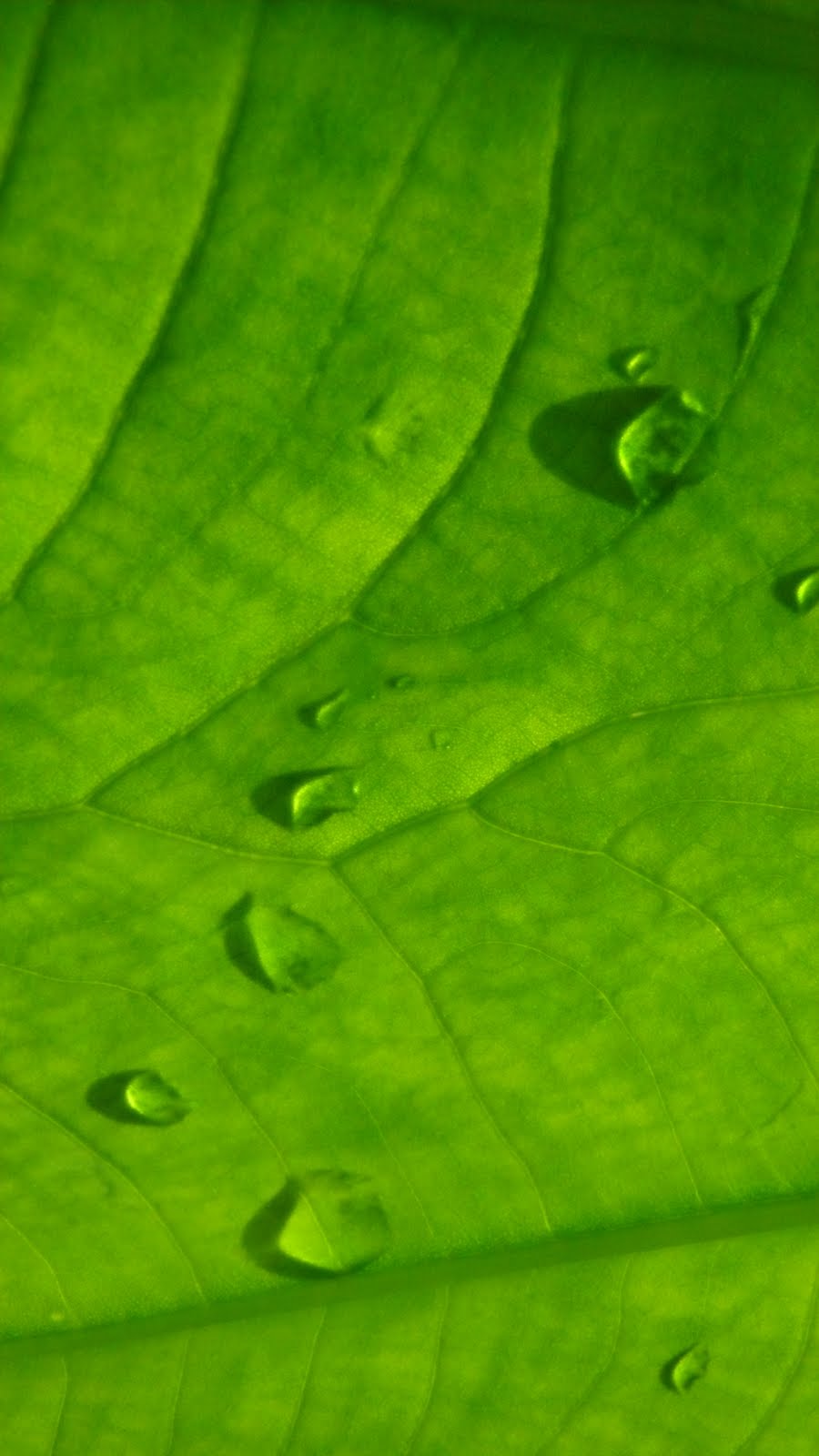
Upper middle: Bright sunlight shining through (transilluminating) a leaf creates soft images of raindrops on its surface, viewed from underneath.

Lower middle: A ripe Nopal cactus fruit, tuna in Spanish, has fallen and speared itself on a hennequen cactus leaf.

Bottom: A wildflower blooms in the shade of an orange tree.

Wednesday, September 22, 2010

Living Here: Heat


I just returned from my third round trip between Yucatán and Alaska in about seven months. I used to really notice the temperature transitions on these kinds of trips, but anymore the big changes don't bother me.

There was a time when I could not stand heat. I remember traveling from Alaska to warm climes and feeling as if I was going to die when the thermometer got above 85 degrees Fahrenheit (29C). When we moved to Miami and lived there for several years during my youth the air conditioning at home was always set at 68 degrees (20C). There were seasons when we hated going outside. When you opened the door, it felt as if someone walloped you in the face with a steaming hot, wet towel. We ran to the car, turned the AC on high, and battled over who got to sit by the air outlets.

Of the many reasons I moved to Yucatán, one was not that I wanted to live in extreme heat, but rather that I did not want to live so much in cold. There are milder climates nearer my ideal in other parts of Mexico, but I love Yucatán and so have learned to live with the weather. It's a good bit hotter here most of the time than in Miami. I have lived here for years without air conditioning and it's fine this way.

One thing I know now is that we felt uncomfortable in Miami because we kept the house so cool we never acclimated. If we had managed to get accustomed to a warmer inside temperature, the transitions to outdoors would not have seemed so extreme. We would have achieved better results dealing with the heat had we decided to live more with it.

Living with the heat is the answer to the problem. In Mérida I know people who love the heat, and I have come to believe that attitude can go a long way toward making heat bearable. A Yucatecan friend of mine embraces the heat and comments to me that he loves the feel of perspiration on his skin. Appreciating the energy that makes life on earth possible and finding ways to stop fighting it makes a lot of sense to me philosophically and environmentally. Deciding that the heat is not going to be a big problem, and then taking steps to minimize its impact goes a long way to making life in the tropics comfortable and pleasant.

Airflow and shade are very important. Living spaces with cross ventilation are more comfortable in hot weather, and high ceilings give heat and humidity a place to go above head level. One of the reasons the old colonial houses in Mérida are so popular with foreigners moving here is that they employ these types of design features to keep inhabitants cool. Fans are a huge help. I installed large-bladed ceiling fans in every room of my house and make liberal use of them, supplemented by floor fans in bedrooms. Once you live in a place for a while, you learn when to open and close which windows and doors in order to take advantage of breezes, keep sun out and the cool in. My routine of opening and closing parts of the house depending upon the time of day and weather keeps the house comfortable much of the time.

Clothing is important, as well, and besides using natural, breathable fabrics and loose garments I have only one rule: wear as little as possible. This is most easily done in the privacy of one's home and at the beach.

I can take a lot more heat when I am not working under pressure, or can pace myself and do things on my own schedule. Scheduling activities around the weather is probably the oldest way of dealing with heat. The siesta is maybe the best known of these strategies. I regularly take a siesta, planning work and energetic activities for early in the day and late in the evening, and reserve the heat of the afternoon for quiet activity or resting. Throughout much of Mexico, businesses and offices close or reduce staff in the afternoons so most employees can take a long, two-to-three hour break for lunch and a rest during the heat of the day. They then reopen late in the afternoon and keep their doors open into the evening. Evening meals are sometimes eaten as late as 9:00 or 10:00PM, when a lot of the day's heat has dissipated. In old urban neighborhoods, chairs are put out on the patio or sidewalk, doors and windows are thrown open, and families enjoy the night breeze and socialize with neighbors. As Mexico modernizes these practices are seen less, but they are still common, especially in the warmer parts of the country.


Generally I prefer to be hot in the outdoors rather than in an enclosed area, so I have open-air living spaces, and I use them. Trees rather than a roof provide shade, and shrubs and plants in place of cement surfaces keep temperatures down. A swimming pool, outdoor tub, sprinkler or shower -- anything that allows you to cover your body in cooling water from time to time -- provides instant relief in the heat. I take a quick dip or lounge in my backyard pool three or four times a day in hot weather. After the sun has gone down, rooftops provide access to breezes. Many homes in this area have rooftop terraces for evening relaxing and entertaining. While enjoying the cool of my rooftop I have a 360-degree view the city, stars, storm fronts and lightning passing in the distance, and observe owls and bats hunting in the night.


I started out living here without air conditioning because it didn't fit my budget. In renovating my house I was faced with a choice. I had enough money left to put air conditioning in the house or build the pool. I chose to have a pool and to worry about the AC later. I wired and plumbed the place for AC units, but after five years still have not put them in. Now I suspect I never will. Not using AC saves a lot of money and energy and lowers my impact on the environment. I have come to the conclusion that I don't need it. It's simpler this way and I live comfortably, so why bother?

Saturday, August 28, 2010

Food: Passionate About Pitahaya


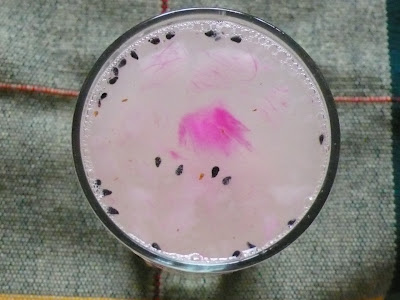
It's pitahaya season. Being a northerner I hadn't been aware of this fruit, also known in English as dragon fruit, until I moved to Yucatán. When I first saw a pile of red and green, splotchy, fairly unappetizing looking pitahaya in a small Mérida restaurant I was not tempted. However when eventually I took a sip of agua de pitahaya I was hooked on this wonderful fruit.


Mmmmmm. Just the thought of taking a long drink of sweet, cooling pitahaya juice on a hot summer afternoon makes my mouth water. It's delicate, subtly sweet, and as it is often served, mixed with a few drops of lemon juice and poured over ice, it is a truly native Yucatecan refreshment.


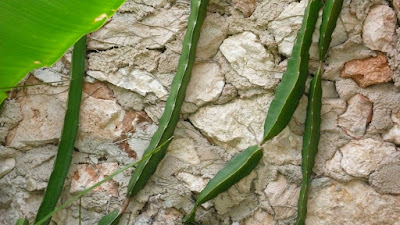
Pitahaya is a member of the cactus family, and grows over rocks, walls, and on large shrubs and trees. There are three varieties, red, yellow and pink. Pink seems to be the variety most seen around Yucatán. The plant can extend along the ground, but continually sends shoots upward in search of support and sunlight. A stem that encounters a solid vertical object promptly sprouts clinging roots and grows upward. In my yard pitahaya grows up the stone walls, as seen above, and also has climbed and entwined itself with a large nopal cactus plant.

Propagating pitahaya is easy. A section broken off and set on the ground will send out new roots and branches. If the plant finds support and plenty of sunlight, it will begin to flower and produce fruit within a couple of years. I planted some sprigs of pitahaya about three years ago and it first flowered last year. Pitahaya usually produces from June through August. This year I have had lots of fruit and the plants are still flowering in late August, so I can expect to enjoy pitahaya through September.


A pitahaya flower is large, measuring at least as broad across as my hand open with fingers widely spread. It also is very short-lived, blooming one evening, reaching full splendor overnight, and beginning to wilt as the morning sun warms the air. White pitahaya flowers set aglow by a full moon are a fantastic midnight sight. Bats are the primary pollinators, although in the morning as the petals fade, bees also can be seen getting their fill.

Timing is extremely critical. If it rains during the critical flowering and early fruit-forming stage, the fruit will rot. As pitahaya begins to mature, it is a favorite food of insects and various birds, which make small holes order to eat the interior portions of the fruit. Once perforated, the fruit begins to spoil.

When mature, pitahaya is picked promptly and can be peeled or cut in half and the heart scooped out. I love it chilled as part of a fruit salad, but my favorite way to enjoy pitahaya is as a drink. The heart of one fruit is mashed (not blended) in a glass of water. A little sugar and lemon juice are added. Agua de pitahaya is a chunky concoction which is both sipped and chewed,

and for this reason is usually served with a straw and a long spoon. The seeds add texture and crunch in much the way poppy seeds do to breads or muffins. I also have heard that pitahaya can be cooked and used in a variety of dishes. I have yet to try this, but am looking for recipes.


Reportedly pitahaya is high in phosphorus, Vitamin C, iron and calcium, and the fats contained in the seeds aid in digestion.

Pitahaya is a tasty and healthy delicacy available in the gardens and markets of Yucatán this time of year. It is an unusual plant, one that is interesting to observe in the garden and a treat to consume during the summer growing season. I love this fruit. I would be missing a great pleasure still had I not overcome my initial reluctance to try it.

Wednesday, August 18, 2010

Crafts: The Dollmaker


One sunny, comfortable July afternoon about eight years ago I was helping my friend Katharine Collins shoot a video segment for a documentary about the Otomí culture in San Ildefonso Tultepéc, in Mexico's Querétaro state. That day I met the subject of our interview, an Otomí woman I know only as Doña Isidra. I have been stopping by to visit her from time to time ever since.

I suspect that Isidra could be at least 80 years old, but it is hard to tell, as is often the case with old people who live in the country, have worked hard since childhood, and remain energetic into their seventh, eighth or ninth decades of life. It is trite to say that the face of an old person, especially an indigenous one, is leathery and lined, but that's the best way to describe Isidra. Her hair remains startlingly black. Her colorful traditional Otomí clothing and stylized hair braids exactly match those of the cloth-faced straw dolls she carefully makes and sells to help support her family.

A few weeks ago on a day identical to the one on which I first met Doña Isidra, I was in her neighborhood with a couple of friends who are interested in traditional handicrafts, and decided to drop in for a visit. We were in luck; she was home. After saying hello I commented to Isidra that she had been so busy the past couple of summers that I had missed her when I stopped by. She chuckled, yes, she'd been busy, and usually goes to Mexico City in July, participating in the annual pilgrimage to La Basílica de Guadalupe there each summer. That means that this diminutive elderly woman throws a bedroll and a few other things in a bag or wraps them in her shawl (I somehow don't see her wearing a backpack) and as an act of religious devotion goes out of the door of her rural house and walks from there somewhat more than 100 kilometers, or more than 70 miles, to attend mass.

Around here, such a walk is not a big deal. During the month of July, thousands of pilgrims, or peregrinos, pass through San Ildefonso on their way to Mexico City on the same mission. Isidra simply waits until a group of women pilgrims comes along on the highway near her house, and joins in. Life in the hilly, rugged countryside where she has lived all her life, has kept Isidra in training.


We told Isidra that we were interested in buying dolls and embroidery, and she brought out a couple bags of work. The embroidered designs, which feature stylized flowers, maguey plants and birds, have been handed down by the Otomí through the generations. The embroidery is used on the women's own clothing, and on clothing, napkins, tablecloths and other handmade items that are made for sale.


As we selected embroidered napkins, servilletas, and dolls for possible purchase, I asked Isidra how much she was charging for the dolls these days. She looked off in the distance and talked for awhile about how prices for materials had gone up, and I prepared myself for a huge price jump, when she quoted a price of thirty pesos each, which is less that two and half U.S. dollars at the time of this writing. I believe that when I first purchased some dolls from Isidra eight years ago, the price was twenty pesos each. Considering the time that has passed and the fact that prices of everything have gone up, the dolls are still a fabulous deal. We bought the four dolls she had, and a few embroidered servilletas.

I asked Isidra if I could take a picture of her with the dolls I had just purchased. As she composed herself, her faint smile changed into a formal, serious line, and she
squinted a bit in the bright sun. I was impressed by how much the dolls resembled their maker. Nowadays these same types of dolls often are seen in the city with round cheeks, bright plastic eyes and happy V-shaped smiles applied to their faces, the traditional design made "cute," an apparent marketing ploy, better to appeal to tourists. But Isidra's dolls are the real thing. Just like their maker.


For more information on the documentary "More Than Dolls," by Katharine Collins, visit this web site:
http://www.wyoptv.org/programming/morethandolls/

Sunday, August 8, 2010

Nature: Close Up


I haven't posted much recently because I've been traveling and had quite a bit of work. I got home early last week and was submerged in piles of details for a few days, but on Friday I got away and spent some time in the country. The "excuse" was to get some potting soil and incidentally to explore a highway I'd never been on. After more than three weeks living out of a suitcase, teaching summer school to adolescents and spending a lot of time in airports, bus terminals and cities, I needed some quiet time.

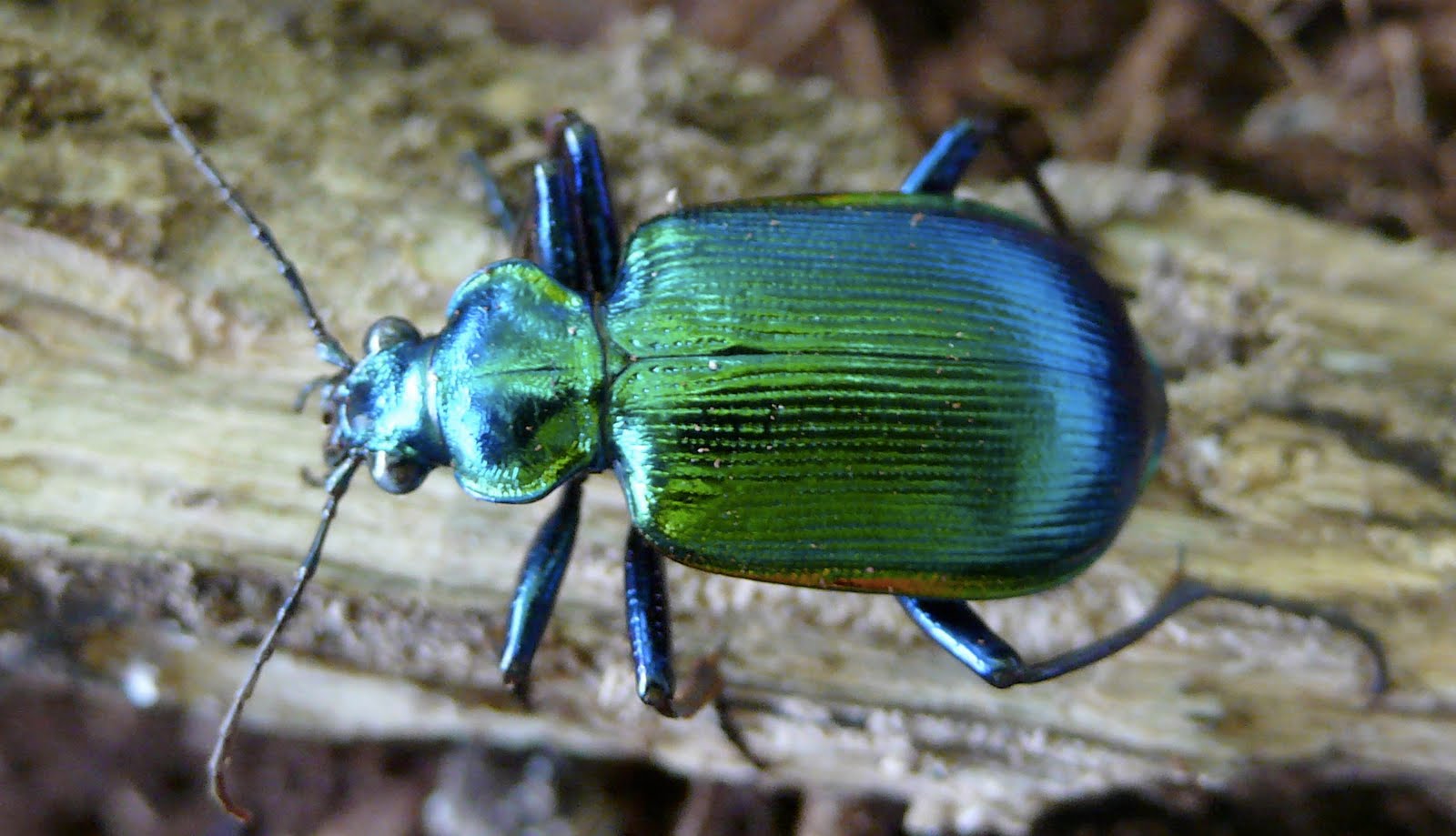
After buying an icy refresco in a small pueblo about 40 minutes south of Mérida, we pulled onto a side road that runs a long distance through fields and trees where I was assured no one would care if I filled a few bags and buckets with the rich red soil found there. Working close to the earth, digging, and sorting out rocks and roots with your hands you end up noticing things that otherwise you wouldn't. The rivulets of sweat that I couldn't wipe from my eyes because my hands were too dirty did not keep me from spying this iridescent blue-green beetle about the size of a walnut scurrying away from the shovel. It must have been under some leaves we disturbed with the pick axe. After detaining it long enough on a stick to take its picture, I let it go.


The next resident found under the leaf litter was this fat caterpillar, in its curled position looking a lot like a prehistoric Ammonite shell fossil, and just as still as one. No matter what I did to prompt it to move so I could see the motion of its many centipede-like legs, it showed no signs of life. We left it where it lay and replaced the protective blanket of leaves that we had disturbed.

Digging through leaf litter we found a lot of scorpions, alacranes in Mexican Spanish. It looked as if eggs had just hatched. There were many small scorpions such as this one, posing next to the tip of my pencil. I don't believe I have ever seen another this tiny. Small as it was, I did not touch it, assuming that although tiny, its venom still packs a punch. I did not want to test the theory.


A nearby tree was the next thing to catch my attention. The peeling bark of this tree sloughs off in large sheets, leaving fresh light-colored new bark beneath. As the newly-revealed bark ages it turns green in patterns created by the stencils of the fallen bark, then slowly assumes the rough reddish-gray color seen here. Then it, too, dries, separates, and falls in large curling pieces to leave new white under bark exposed to the air and light, beginning the process once again.

Once I started looking at the trees I saw this butterfly, at first with its wings folded and exposing only the dull gray undersides, which blended well with the tree bark. Suddenly it began to open and close its wings, flashing me with these bright neon-blue stripes. From a distance this movement contrasted against the shaded dark side of the tree really does resemble a light being switched quickly on and off. The butterfly did not seem disturbed by my presence. I was able to approach closely and take my pictures without startling it.

I often have the opportunity to observe tourists and it seems that they are normally drawn to in-the-face spectacular, big things, like pyramids and breathtaking ruins, the architecture of historic Mérida, long white beaches, red sunsets, and contrived, garish, over-the-top attractions like Las Vegas and theme parks. One of the nicest aspects of living in Yucatán is that, along with treasures like Chichen Itza, the coast, beautiful cenotes and lovely colonial towns, there is a never-ending wealth of smaller attractions awaiting discovery, not quite so obvious, but just as rewarding.
Powered By Blogger